

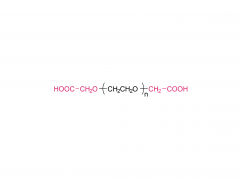
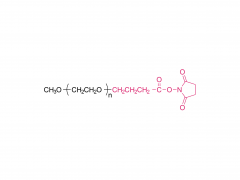
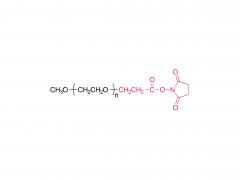
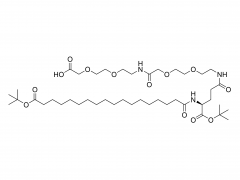

In the field of biomedicine, the continuous evolution of drug delivery systems has always been a key driver for advancing therapeutic development. From“naked drugs”to the widespread adoption of PEGylation technology, every breakthrough in material innovation has contributed to improving drug performance and enhancing patient treatment experiences. In recent years, polysarcosine (pSar) has gradually moved from laboratory research toward industrial applications as an emerging biomaterial, providing a new technological pathway for next-generation drug delivery systems. PEG: A Well-Established Platform for Drug Delivery To understand the industrial potential of polysarcosine, it is essential to first recognize polyethylene glycol (PEG), a material platform that has played a significant role in advancing drug delivery technologies. PEG is a water-soluble polymer synthesized through the polymerization of ethylene oxide. Due to its excellent hydrophilicity and biocompatibility, PEGylation has become a well-established modification strategy for proteins, peptides, and nanomedicines. According to Biopharma PEG, more than 40 PEGylated drugs had been approved by the U.S. FDA as of April 2025, demonstrating the mature application status of PEGylation technology in pharmaceutical development. The core value of PEGylation lies in covalently attaching PEG chains to the surface of drugs or nanocarriers to systematically improve drug-like properties. First, PEGylation can significantly extend drug circulation half-life by increasing apparent molecular weight and hydrodynamic volume, reducing rapid renal clearance and supporting long-acting dosing strategies. Second, PEG improves drug stability and solubility. Through steric effects, PEG can reduce enzymatic degradation and protein aggregation, while improving the aqueous solubility of hydrophobic drugs and optimizing the in vivo behavior of molecules such as antibody-drug conjugates (ADCs). Third, PEG enables the construction of long-circulating nanocarriers by forming a hydrated layer on nanoparticle surfaces, reducing protein adsorption and immune recognition, thereby supporting the development of various marketed products, including liposomal anticancer drugs, siRNA therapeutics, and mRNA vaccines. With mature manufacturing processes and well-established clinical value, PEG has profoundly influenced the development of modern pharmaceutical technologies over the past three decades. Polysarcosine: An Endogenous-Inspired Alternative for Drug Delivery Building upon the foundation established by PEG, polysarcosine represents a new material design concept based on its“polypeptide-like”and“endogenous-inspired”molecular characteristics. Chemically, polysarcosine is poly(N-methyl glycine), belonging to the polypeptoid family. Its monomer, sarcosine, is a naturally occurring metabolite in the human body. Unlike PEG, which contains an ether-linked backbone, polysarcosine consists of an amide-linked backbone, combining th...
View More